
How Enterprise Fashion Brands Optimise the Post-Purchase Experience
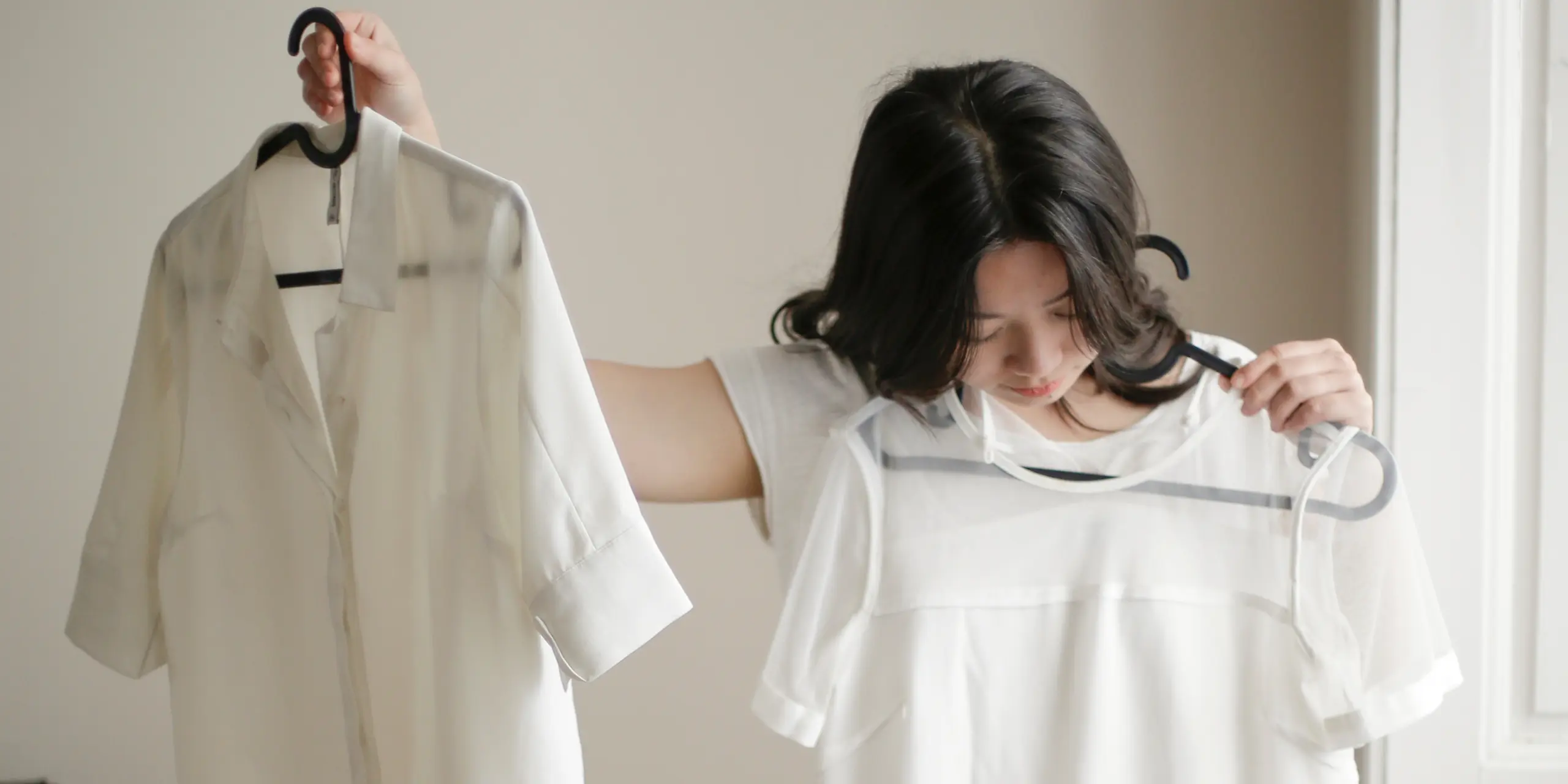
Most e-commerce teams optimise the transaction.
- Faster checkout.
- Fewer fields.
- More payment options.
- Higher conversion rates.
All important. All measurable.
But none of them represent the full customer journey.
Because customers rarely remember the checkout experience. They remember how the product felt when it arrived. They remember whether it fit. Whether it matched expectations. Whether they felt confident wearing it.
That is the moment they talk about. That is the moment that drives loyalty.
For enterprise fashion brands, this distinction matters.
The Real Customer Journey
The real journey is not “click to purchase.”
It is:
- How confident they felt buying
- Whether delivery felt seamless
- Whether the garment matched imagery and expectation
- What happened if it didn’t
If brands optimise only for “yes at checkout,” they may still lose on the backend:
- High return volumes
- Increased support load
- Margin erosion through markdowns
- Slower repeat purchase cycles
Transaction optimisation without experience optimisation creates fragility in the model.
And at scale, fragility shows up in the P&L.
The Arrival Moment Is the Brand Moment
In fashion, the most important moment is not when the customer clicks “Pay Now.”
It is when they try it on at home.
That first fitting is the emotional decision point. It is where expectation meets reality. It is where brand perception is reinforced or weakened.
- Did it feel premium?
- Did it fit as expected?
- Did the sizing guidance work?
- Did they feel confident in the mirror?
This is the moment that determines whether a customer becomes repeat revenue or a one-time transaction.
Yet most ecommerce infrastructure is built around checkout efficiency, not arrival confidence.
Why We Built Mirra
We did not build Mirra to increase conversion at any cost.
We built it to optimise the arrival moment.
By shifting the purchase decision into the home and after the trial, brands allow customers to:
- Compare sizes properly
- Experience fabric and movement
- Style with their existing wardrobe
- Make a considered decision without pressure
This creates confidence-first buying.
When customers feel in control of the decision, behaviour changes.
- They choose better.
- They keep more.
- They return less impulsively.
- They come back sooner.
And critically, brands do not need to lean on discounting to drive this behaviour.
Experience as a Margin Strategy
Enterprise brands understand that margin protection is as important as growth.
Discount-led conversion strategies may drive short-term spikes, but they erode brand equity and condition customers to wait for promotions.
Confidence-led strategies compound.
A strong try-at-home experience reduces decision anxiety. It compresses return cycles. It improves fit alignment. It increases kept value.
It also strengthens brand perception. Customers associate the brand with ease, control and trust.
Over time, that translates into stronger repeat purchase behaviour and more predictable revenue.
Beyond Checkout Optimisation
Checkout optimisation is necessary. But it is not sufficient.
In fashion ecommerce, the competitive advantage does not sit at the payment gateway.
It sits in the home.
When a customer opens the parcel, tries on the garment and thinks, “Yep. This is the one - I love it!.”
- That is the moment that builds loyalty.
- That is the moment that protects margin.
- That is the moment enterprise brands should be optimising for.
.webp)
E-commerce Insights
.png)


%20(1).webp)
.webp)

