
But the speed at which customers make decisions, products return to inventory and teams understand why items are coming back can have a much wider impact on performance.
A better returns process isn't only about reducing operational friction. It can improve inventory availability, protect full-price sell-through and create better data for merchandising and buying teams.
In other words, your returns process can be a growth lever.
The hidden cost of slow returns
Every item sitting with a customer who hasn't made a decision is inventory that can't be sold to someone else.
This becomes particularly important for fashion and apparel brands where size availability, seasonality and product drops can create relatively short selling windows.
The longer an item remains outside sellable inventory, the greater the chance a brand misses another full-price sale.
Then there is the time required for a return to physically make its way back through fulfilment, processing and restocking.
The result is an inventory problem that extends well beyond the cost of the return itself.
Faster customer decisions change inventory economics
Creating a defined decision window can significantly shorten this cycle.
Across Mirra Try at Home orders, around 90% of keep or return decisions are made within 36 hours.
That speed matters.
When customers know they have a clear window to try their items, they can make a decision while the purchase is still front of mind. They keep what works and initiate the return of what doesn't.
For the customer, it creates clarity and confidence.
For the brand, it creates velocity.
Mirra can help brands achieve up to 75% faster return-to-stock timelines, helping inventory become available for the next customer sooner.
At scale, those days matter.
Faster returns can protect full-price sell-through
Getting inventory back into circulation sooner can also help reduce markdown pressure.
Consider a popular size in a new-season style. If returned units spend weeks sitting with customers or moving through a slow returns process, the brand loses valuable selling time.
By the time that stock becomes available again, demand may have shifted or the product may already be approaching a promotional period.
A faster decision and return cycle gives the same unit more opportunity to be resold while demand is strong and the product is still at full price.
That's why returns shouldn't be considered separately from sell-through.
The faster inventory moves, the more opportunities a brand has to sell it at its intended value.
From returns processing to returns intelligence
Speed is only part of the opportunity.
Returns also generate some of the most useful customer and product data available to an e-commerce brand.
Why was an item returned?
Was the fit too small? Too large? Was the colour different from expectations? Is one style generating significantly more returns than comparable products?
When return data is fragmented across different platforms and processes, these patterns can be difficult to identify.
Bringing Try at Home and standard-order returns into one system creates a fuller picture of post-purchase behaviour.
Return reasons can become signals that merchandising, buying, product and e-commerce teams can actually use.
If a particular product consistently generates fit-related returns, for example, that insight could inform PDP content, sizing guidance, future buys or even product development.
The return is no longer simply a transaction to process. It becomes feedback.
More predictable fulfilment
Better visibility also helps operations teams understand what's coming back and when.
Instead of inventory disappearing into an uncertain returns window, tighter feedback loops can provide greater visibility over incoming stock.
That can support better inventory planning, improve availability of core sizes and reduce the operational uncertainty associated with returns.
For enterprise e-commerce brands processing significant order volumes, small improvements in return velocity can compound quickly.
Mirra customers can see items returned to sellable inventory within approximately six to nine days from fulfilment, helping shorten the time stock spends outside the sales cycle.
The customer experience matters too
Optimising returns doesn't mean making them difficult.
In fact, the opposite is often more valuable.
A clear, easy returns experience gives customers the confidence to make decisions quickly, while giving brands better visibility into those decisions.
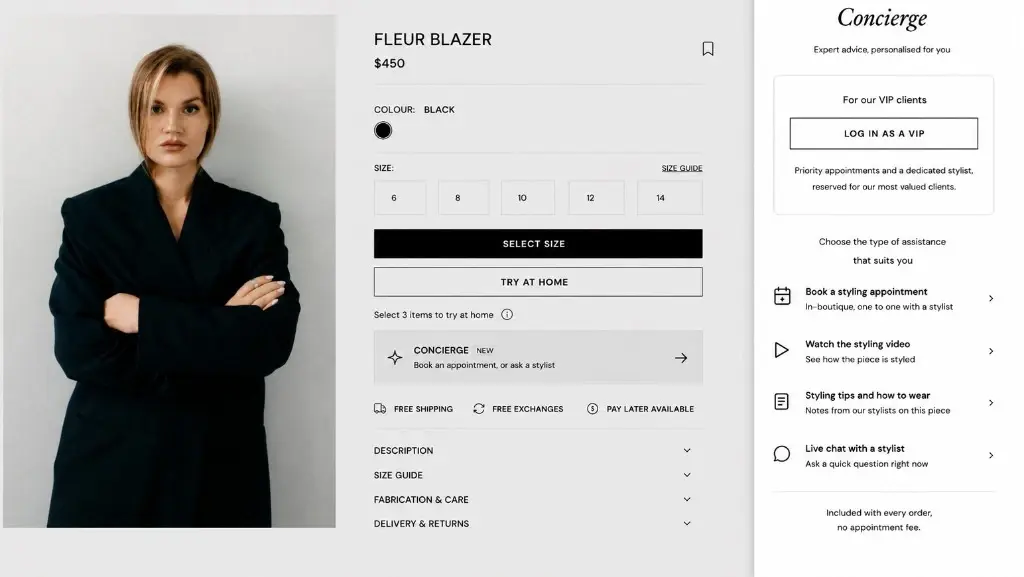
This is particularly powerful when combined with Try at Home.
Customers can experience products in their own environment, decide what works and return what doesn't within a defined journey.
Instead of trying to prevent every return, brands can focus on making the entire decision cycle more efficient.
Rethink the role of returns
Returns will always be part of e-commerce, particularly in categories where fit, feel and personal preference matter.
The opportunity is to stop treating them purely as a cost centre.
A modern returns strategy should help brands answer three questions:
- How quickly are customers deciding?
- How quickly can inventory become sellable again?
- What can return behaviour tell us about the business?
When those three areas work together, returns become part of a much bigger performance strategy.
Confidence for the customer. Velocity for the brand.